How to Plan a Himalayan Cycling Expedition in India
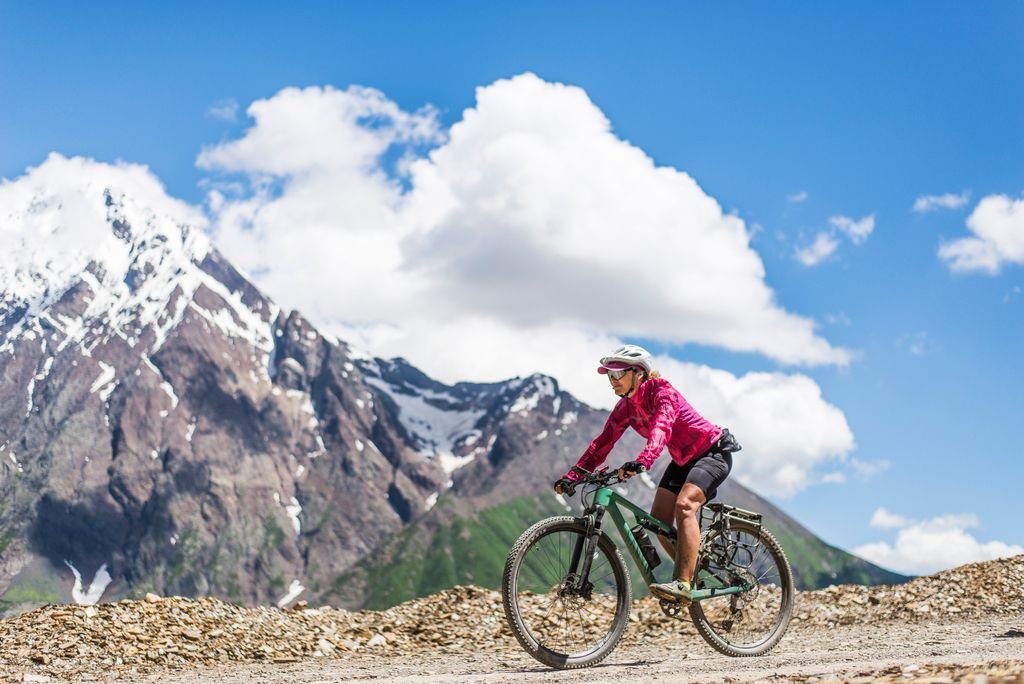
There is a big difference between going for a long bicycle ride and setting out on a himalayan cycling expedition. Once a journey stretches across several days and takes you through unfamiliar roads, changing terrain and different landscapes, the bicycle becomes more than a way of getting around. It becomes the way you experience the place.
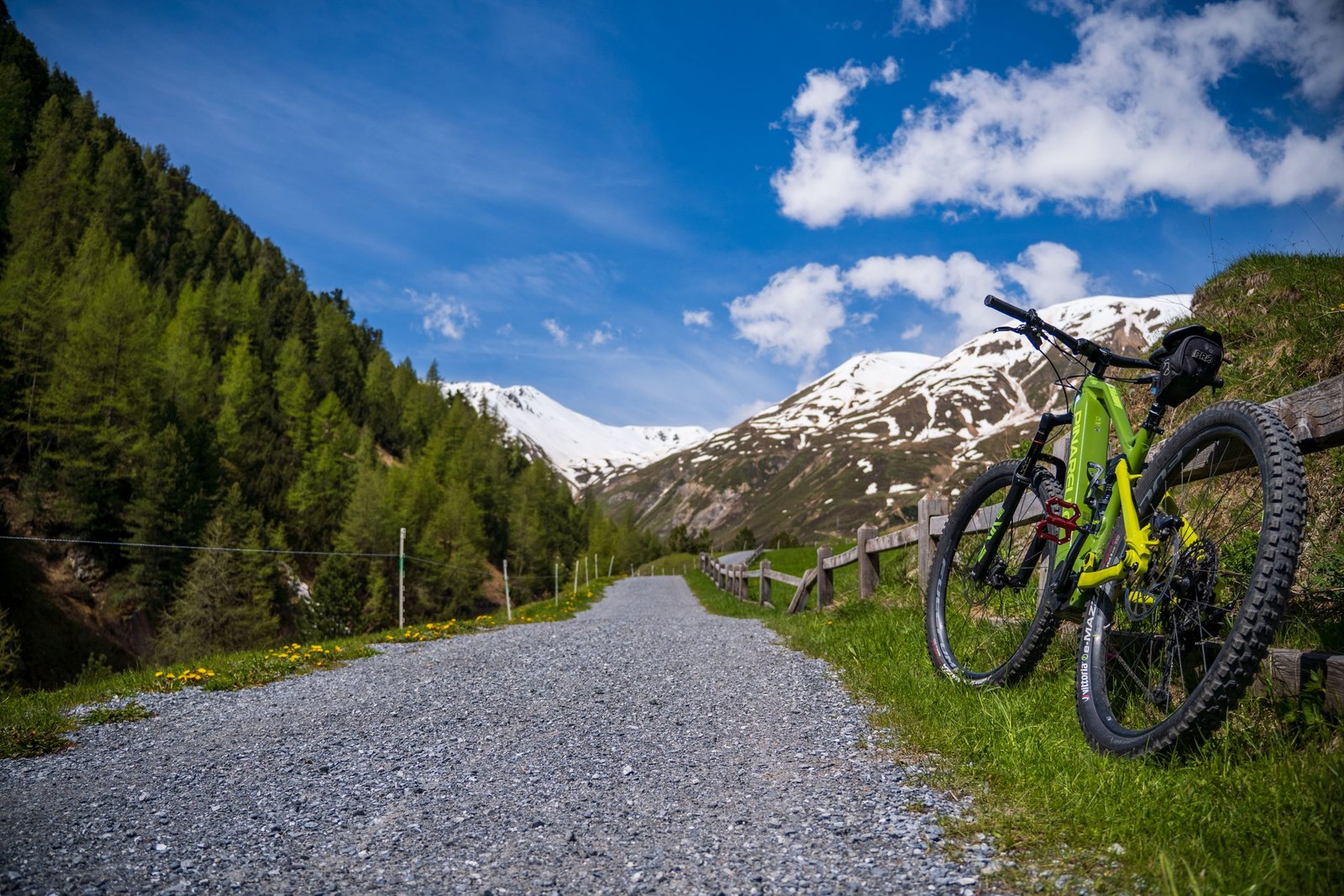
India offers an extraordinary variety of routes for this kind of travel. You can spend days riding through Himalayan valleys, follow the coast, cross the Western Ghats, or connect towns and villages across long stretches of countryside. The route you choose will shape almost everything else, so planning should begin with the kind of experience you want rather than simply the number of kilometres you hope to cover.
Start with the route, not the distance
It is tempting to judge a cycling expedition by its total distance. But 500 kilometres on relatively gentle roads can feel very different from 300 kilometres involving long climbs, rough surfaces and high altitude.
Look at the terrain, elevation, road conditions, weather and the number of consecutive riding days before deciding whether a route is right for you. A good itinerary also needs enough time for rest and for the places along the way. If every day is planned around reaching the next stop as quickly as possible, you may end up experiencing very little of the country you travelled so far to see.
For a first multi-day expedition, choose a route that challenges you without making every day a struggle. There will be plenty of opportunities to take on harder roads later.
Prepare for the riding, but also for the days between rides
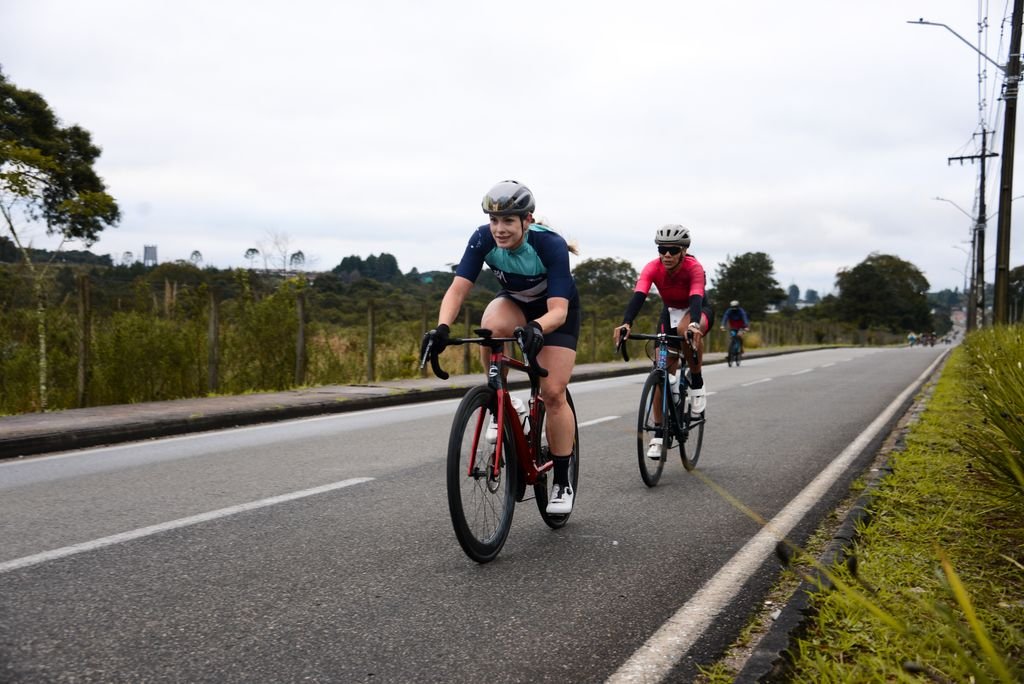
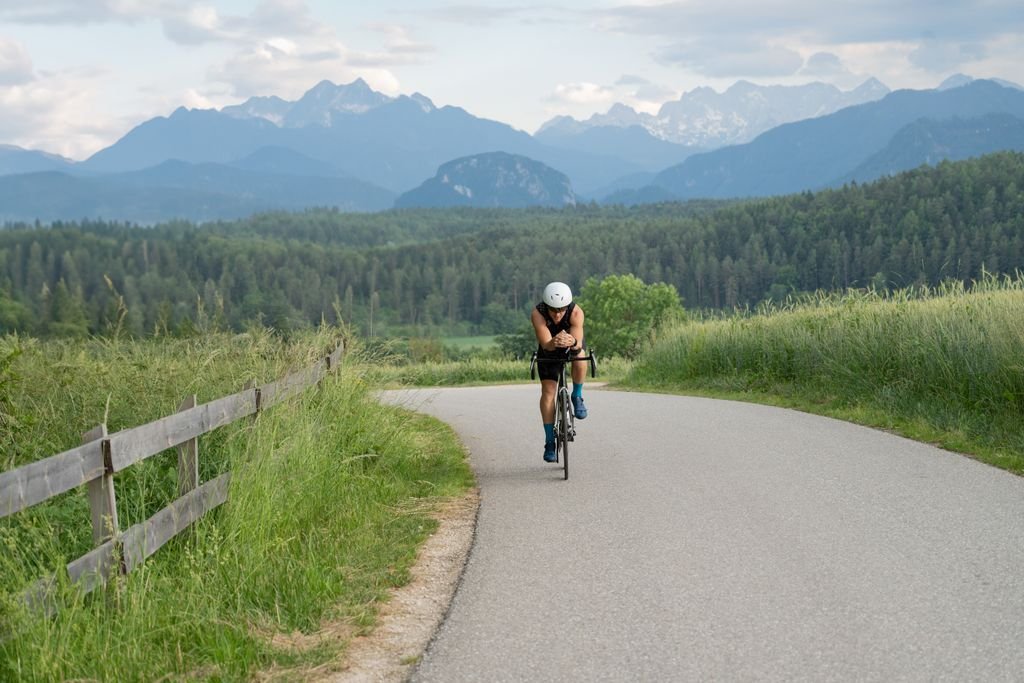
You do not need to be an elite cyclist to undertake a cycling expedition, but you should be comfortable spending several hours on the bicycle and doing so on consecutive days. Build your distance gradually and include climbs if your route has significant elevation. Longer weekend rides are particularly useful because they give you an idea of how your body responds when the riding extends beyond a single day.
Your bicycle deserves the same preparation. Check the brakes, tyres, drivetrain, gears and other components before leaving, and make sure you are comfortable with basic repairs such as fixing a puncture. The exact setup will depend on the route, but reliability matters more than having the most expensive equipment.
Pack with the road ahead in mind. Clothing, rain protection, lights, hydration, basic tools, spare tubes and personal essentials all need to earn their place in your luggage. On a long ride, unnecessary weight becomes something you feel every day.
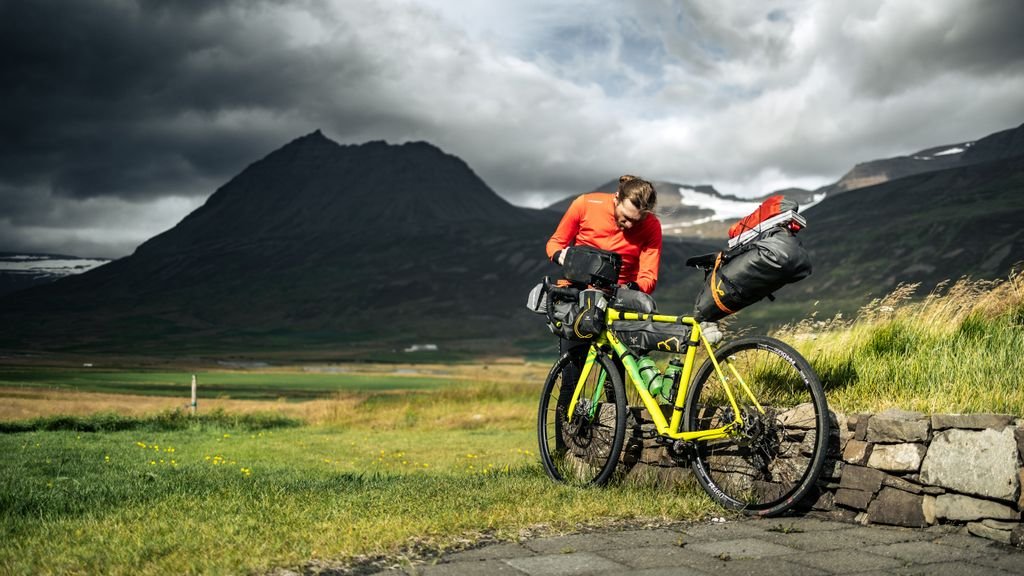
Give yourself time to actually travel
The best cycling expeditions are rarely about finishing each day’s route as early as possible. A road may take you through a village where you want to stop for tea, past a viewpoint that deserves ten minutes, or into a town where the local food becomes an unexpected highlight of the journey.
That is one of the reasons cycling makes such a different form of travel. You move slowly enough to notice things, but fast enough to cover meaningful distances. The landscape changes gradually rather than appearing through a window at speed.
This becomes particularly important in the Himalaya. Altitude, weather and steep climbs can change the pace of a journey quickly. A route that looks manageable on paper may demand much more from the rider once you are actually there. Good planning leaves some flexibility instead of assuming that every day will go exactly according to schedule.
Know when the journey needs support
Independent cycling can be incredibly rewarding, but there are journeys where having experienced support makes sense. Remote roads, high-altitude routes, unfamiliar terrain and long distances can make logistics complicated, particularly when a group has different levels of fitness.
A guided cycling expedition can take much of that uncertainty away. Route planning, accommodation, support vehicles, local knowledge and emergency arrangements can all be organised beforehand, allowing riders to concentrate more on the road itself.
That does not mean the journey becomes less adventurous. In many cases, it gives you the freedom to explore a more ambitious route because the practical side of the expedition has been thought through.
At Heart in Himalaya, we are interested in cycling as a way of travelling rather than simply as a sport. Some journeys may take us through the Himalaya; others may follow a coastline, cross a mountain range, or connect places that are better understood from the saddle. The route changes, but the reason for going remains much the same: to experience the road, the landscape and everything in between at a pace that allows you to actually be there.