What the Mountains Teach Us About Slowing Down, Paying Attention, and Living Well
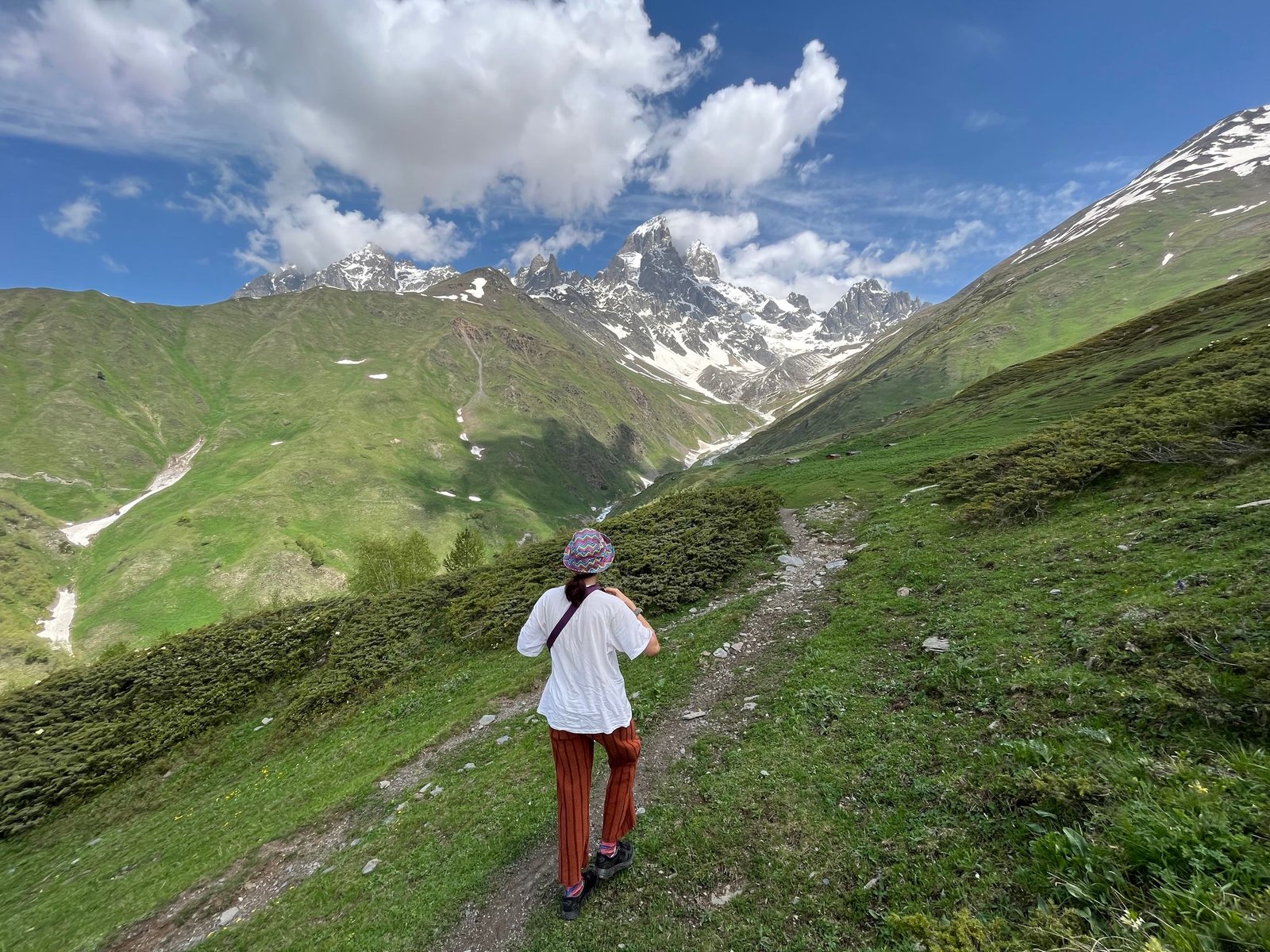
There is something about walking through the mountains that changes the pace at which we experience the world. A village that would pass by a car window becomes a place where you stop for tea. A river that would otherwise be a distant sound becomes something you walk beside for hours. You notice the weather moving across a ridge, smoke rising from a house, the sound of footsteps behind you, or the changing light on a distant peak. Nothing extraordinary necessarily happens, yet you remember these small things long after the journey is over.
Perhaps that is one of the reasons we keep returning to the mountains. They make it difficult to rush.
Learning to Slow Down
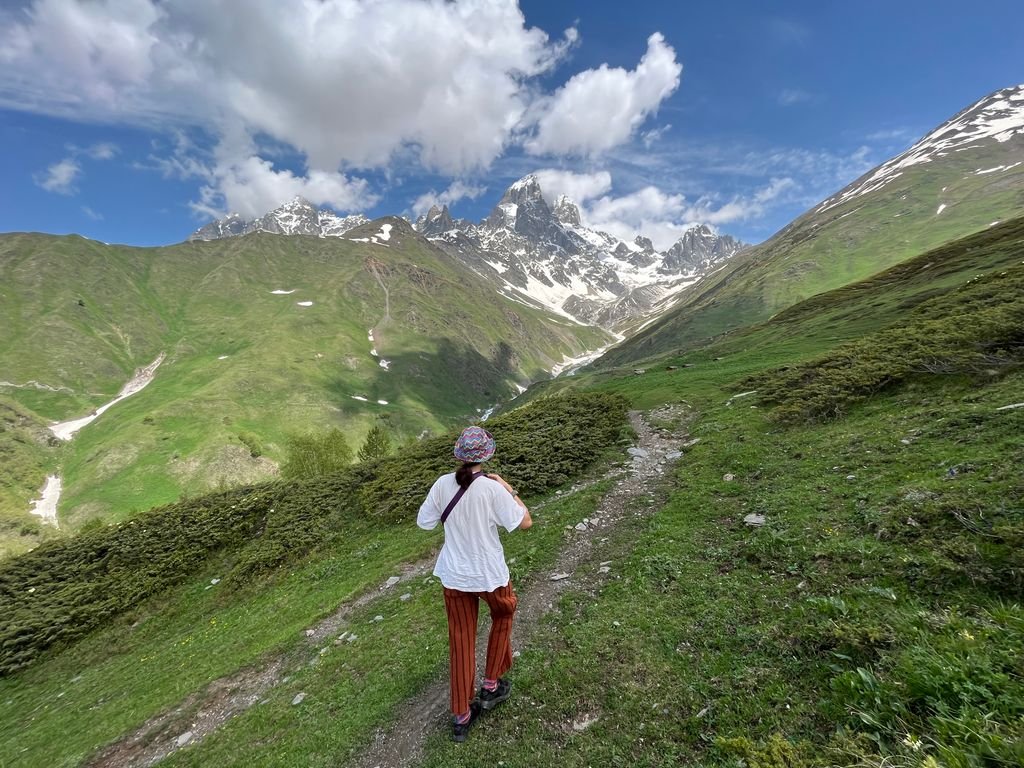
Most of our everyday lives are built around speed. We move from one task to another, check our phones between conversations and often feel that a day has been wasted if we haven’t managed to accomplish enough. The mountains offer a different rhythm. A steep trail takes as long as it takes, the weather can change a plan without asking, and sometimes there is simply nowhere else you need to be for the next few hours.
At first, that slower pace can feel uncomfortable. Then, gradually, you begin to notice what you had stopped noticing. You pay attention to the trail beneath your feet, the landscape around you and the people walking beside you. A simple meal after a long day feels different. Sitting outside in the evening feels enough. Even silence becomes something you don’t immediately feel the need to fill.
That may be one of the quieter gifts of travelling through the mountains: not that they give us more time, but that they make us more aware of the time we already have.
Paying Attention
The longer we spend outdoors, the more we realise how little of the world we usually notice. We are surrounded by landscapes, weather, sounds and people every day, but routine has a way of making much of it invisible. Walking changes that. When you are moving through a landscape on foot, you become part of its pace rather than simply passing through it.
The mountains also have a way of making us pay attention to ourselves. A climb that looked easy on a map may feel very different after several hours of walking. The weather can turn, plans can change and sometimes the sensible decision is to stop or turn back. These moments remind us that not everything can be controlled, and that being outdoors requires a certain amount of patience and humility.
Perhaps that is another lesson the mountains offer. You do not always need to overcome every difficulty. Sometimes you need to understand it, respond to it and know when to change your plans.
Living a Little Differently
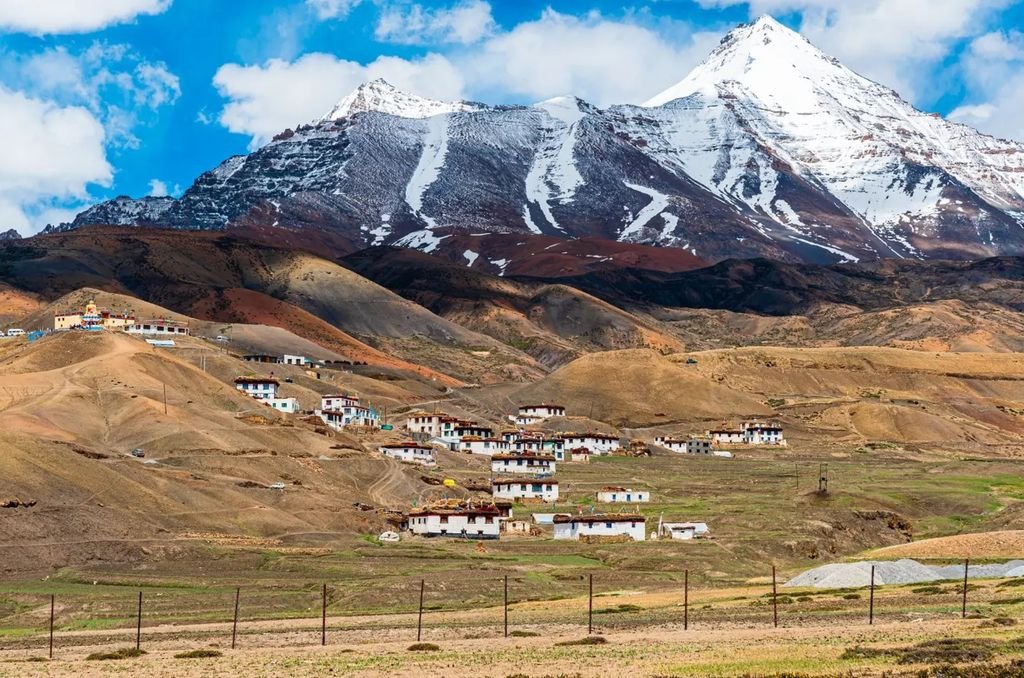
There is also something humbling about spending time in places where life has developed around the landscape rather than against it. In Himalayan villages, mountains are not simply scenery. They are part of people’s homes, work, traditions and everyday lives. Travelling through these places asks us to look beyond the idea of the mountains as an adventure destination and recognise them as living environments shared by communities, animals, forests and rivers.
That awareness changes the way we travel. It means respecting the people who live there, being careful about what we leave behind, understanding that not every place needs to be photographed or conquered, and accepting that we are visitors. Responsible travel is not about following a long list of rules. It begins with paying enough attention to understand where you are.
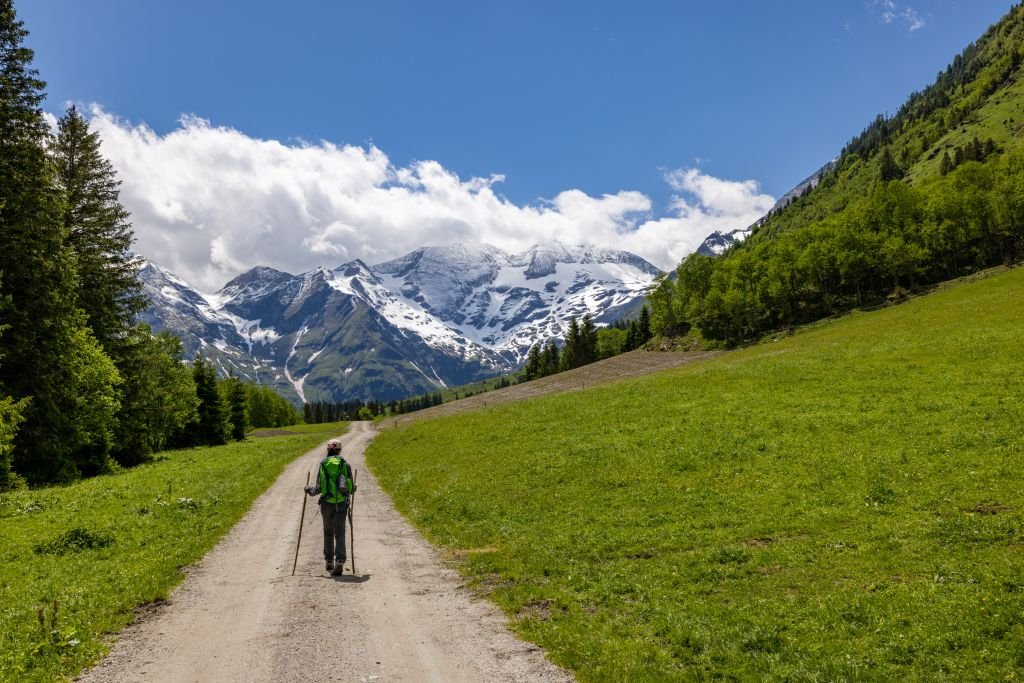
We often talk about travel as if its value comes from reaching somewhere extraordinary. But some of the most lasting parts of a journey happen between destinations: a conversation on a trail, a sudden change in weather, a cup of tea in a small village, the tiredness at the end of a long day, or a quiet morning when there is nowhere you need to be. These moments rarely make it onto an itinerary, yet they are often what we carry home with us.
Maybe that is what the mountains teach us most clearly. We don’t always need to go somewhere extraordinary to live differently. Sometimes we simply need to slow down enough to notice where we already are.
At Heart in Himalaya, this is part of what draws us outdoors. We believe a journey should leave enough room for observation, uncertainty, conversation and silence. The mountains don’t ask us to hurry, and perhaps life doesn’t always need us to either.